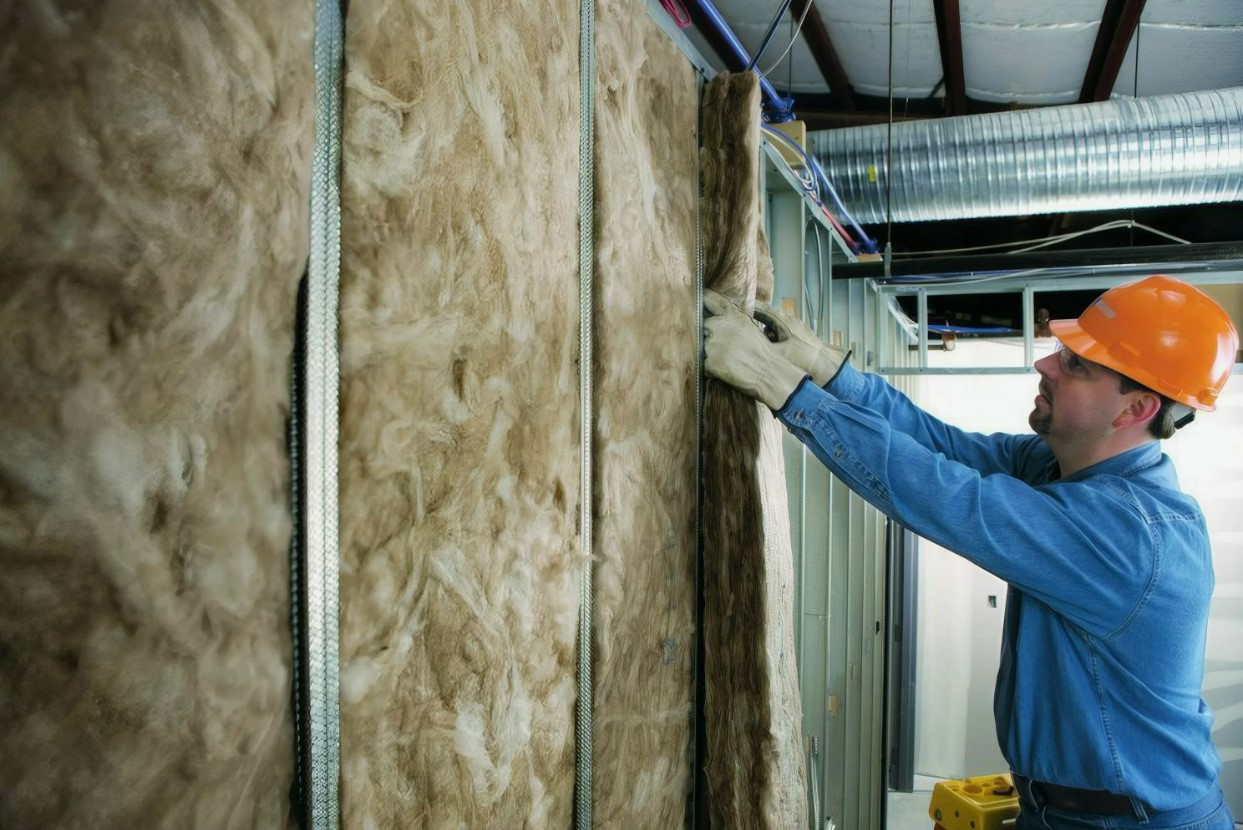
Noise reduction: Soundproofing helps reduce the penetration of external noise (for example, from the street, neighbors or industry), creating a quieter atmosphere.
Improved concentration: In offices and educational institutions, soundproofing helps increase productivity and concentration, as it reduces the level of distracting sounds.
Increased comfort: In residential premises, soundproofing provides more comfortable conditions for rest and communication, which is especially important in apartment buildings.
Protection from sound pollution: Soundproofing helps protect residents from the negative impact of loud sounds, such as music, loud conversations or noise from equipment.
Improved acoustics: In rooms intended for music or theater, soundproofing can improve acoustics, creating a more pleasant sound.
Increased Property Value: Good soundproofing can increase the market value of a home, as many buyers are looking for a quiet and comfortable environment.
Reduced Stress: Less noise in the environment can lead to lower stress levels and improved overall mental and emotional well-being.
Privacy Protection: Soundproofing helps keep conversations and other sounds private, which is especially important in homes and offices.
Energy Efficiency: Some soundproofing materials also have thermal insulation properties, which can help reduce heating and air conditioning costs.
Overall, installing soundproofing is a smart solution to create a more comfortable and cozy environment in any room.
Soundproofing is an important component of comfort in any room, especially in construction. It allows you to reduce noise levels, creating a calmer and more pleasant atmosphere. In this article, we will consider three important soundproofing technologies that are used in modern construction.
The second technology we will talk about is the installation of soundproofing windows and doors. They play an important role in preventing outside sound from penetrating into the room. Soundproof windows and doors usually have a special design that reduces noise penetration. They can be made using special glass and seals that effectively block sound waves. Installing such windows and doors allows you to create a quieter and calmer space inside the building.
The third technology we will consider is the use of suspended ceilings and partitions for soundproofing. Suspended ceilings and partitions have a special design that allows you to improve the soundproofing of the room. They can be made using soundproofing materials and installed at a certain distance from the main wall or ceiling. This creates an air gap that serves as an additional barrier to sound. The use of suspended ceilings and partitions can significantly reduce noise penetration and create a quieter space.
Soundproofing technologies play an important role in construction, providing comfort and tranquility inside the premises. The use of soundproofing materials, the installation of special windows and doors, the use of suspended ceilings and partitions, as well as the use of soundproof coatings and cladding - all this allows you to create a quieter and more pleasant space. Thanks to these technologies, people can enjoy rest or work in a quieter and more comfortable environment.
Moreover, soundproofing can be especially useful in commercial premises, where noise can negatively affect the productivity and concentration of workers. It is also worth noting that the use of soundproofing technologies helps to reduce energy consumption, since they also have thermal insulation properties.
One example of the use of soundproofing technologies can be the installation of soundproofing materials between walls or ceilings, which reduces the transmission of noise from adjacent rooms. When installing such materials, the main thing is to choose the right material and ensure its high-quality connection to the structure.
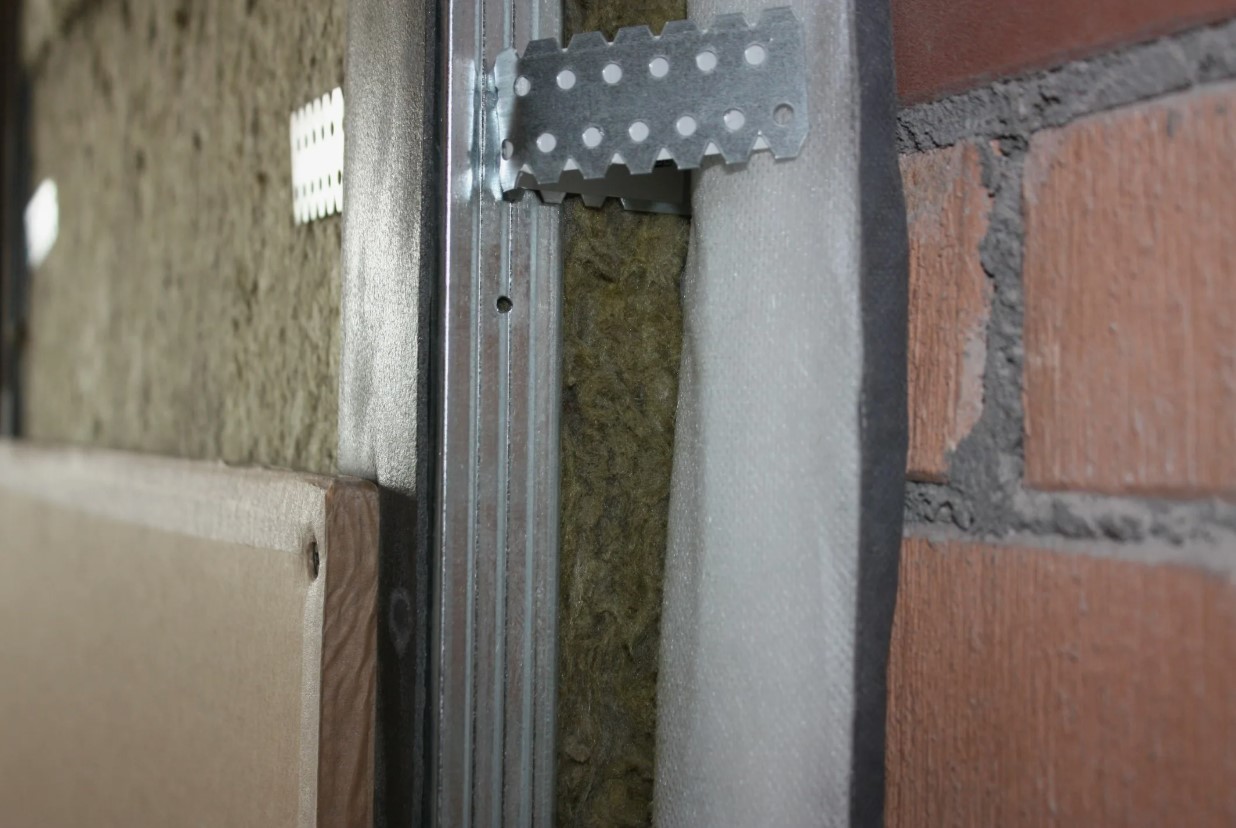
Another important soundproofing technology is the use of vibration hangers, which reduce the transmission of vibrations from one structure to another. Such vibration hangers are often used when installing wooden or metal frames to reduce the transmission of sound through walls and floors. Soundproofing technologies in construction play an important role in creating a comfortable and safe space in buildings. With their help, you can achieve a significant reduction in the level of noise and noise vibrations, which will create favorable conditions for living and working in a home or office.